If you ask a child today where their food comes from, they will likely take your hand and lead you to a grocery store. Children that have been raised on a farm have a different perspective. They also encounter risks that most kids will never see. In research, this is known as the “Farm Kid Paradox”. On our farm, my three children learn through chores performed daily, and I see both sides of it each day.
Learning Through Experience
Living on a farm can give children many hands-on learning opportunities. Chores often teach them:
- work ethic
- how to care for animals
- to solve problems
- to observe and interact with nature
- how to produce food
- strength training
- the cycle of life
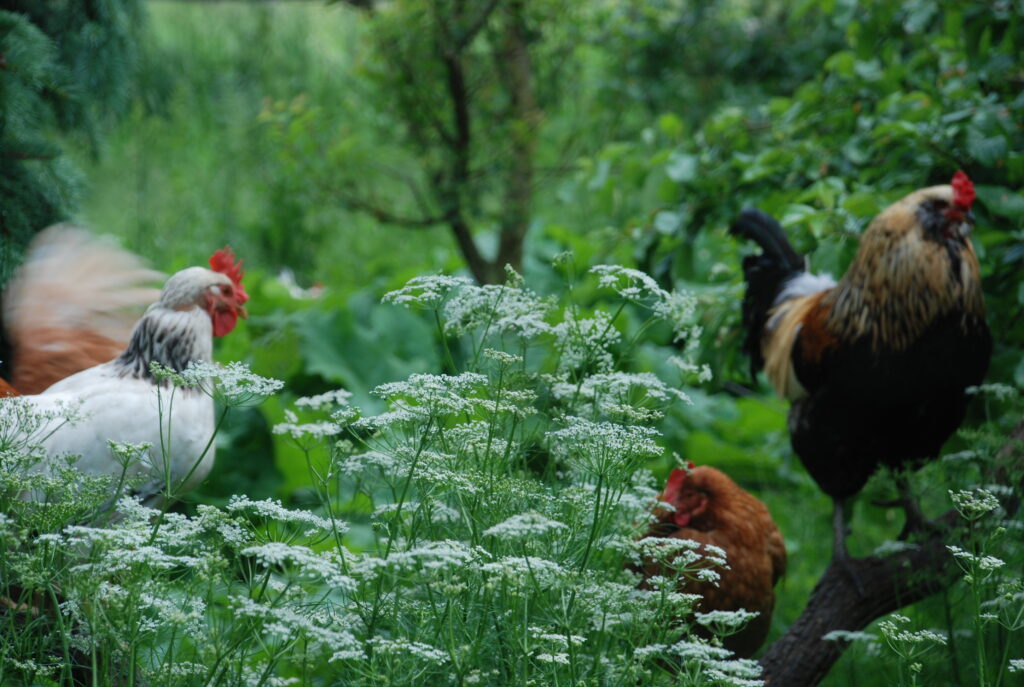
However, these benefits are not guaranteed. Each of my children have a preference when it comes to which farm chores they prefer. My daughter heads for the chickens without being asked. Meanwhile my middle child would rather work with equipment or a shovel, if I can get him up and out the door.
A 2023 study researched parents’ experiences in raising children on an active farm. This study interviewed 30 parents who raised cattle and have children between the ages of 10 to 18 years old. Parents described benefits such as children spending more time outdoors and learning practical skills while increasing work ethic. They were also aware of the risks of children being raised around a farm. Researchers found that the family’s values, routines and their attitude toward such risk influenced how the parents approached the way in which their children interacted with livestock.
Connecting Children with Food
Most children only experience agriculture through the grocery store and school learning. Experiencing a farm makes it real.
A 2015 study examined Finnish schoolchildren’s conception of agriculture. Researchers had children draw farms before and after a farm visit. It was found that approximately 38% of children often had farming misconceptions. That percentage dropped significantly after their visit.
Children do not need to live on a farm to experience these benefits. A 2022 review of farm-to- school programs found that students who connected with food farmers showed an improvement in both their comprehension of nutrition and understanding of farming.
The Other Side of Farm Life
Farms are also very hazardous. The National Farm Medicine Center found that, in the U.S.A, approximately 33 children are seriously hurt each day on farms and ranches.
Meanwhile, in Canada, researchers counted 374 fatal farm injuries to children over a span of 23 years. This equates to approximately four deaths per 100,000 children.
Finding Balance
The “farm kid paradox” captures the complexities of farming. Parents value the way in which farming encourages independence, skills and connection to nature. They are also aware of the injuries and risks of farm life.
A farm can be a wonderful place of growth and discovery for children. It can also be a perfect place to teach boundaries and safety. The challenge is to safeguard learning without losing sight of the risks. Life is full of risks so perhaps farming simply teaches children about life at an earlier stage. And how wonderful to learn about responsibility and the cycle of life with an adult mentor by your side.
If you farm, walk the land with your children this week and point out the hazards. And if not, there are many farms open to the public to visit. The Canadian Agricultural Safety Association is a great resource to start with.